And it does so in other places too. In my opinion (#POV), Cognitive Automation is the “how” to the “what” being defined as automation or generally speaking digital transformation (aka digitization).

So what is the difference between these two fellows? While browsing the Internet you might find a number of different descriptions or opinions. I have even seen something called Cognitive RPA... Anyway, let me share some definitions we use at byteLAKE.
RPA, Robotic Process Automation, is a (collection of… or a framework for…) software robot(s). It relies on basic technologies, a rule-based approach to automate easy, simple, yet repetitive and time-consuming tasks. Typical examples are macros for automated calculations, files transfers from scanners’ folders to teams’ network locations or even basic files processing.
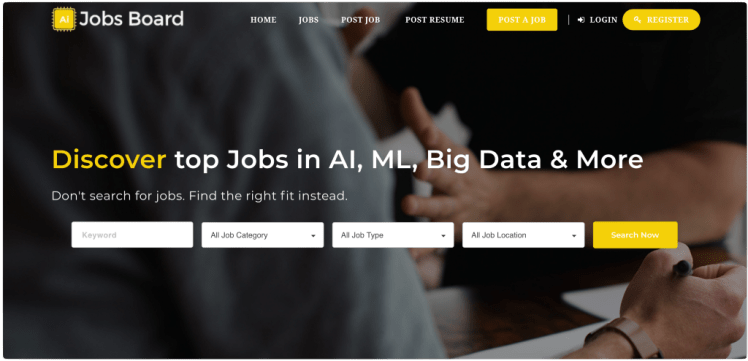
Cognitive Automation, on the other hand, relies on knowledge and intends to mimic human behaviors and actions. In other words, it leverages Artificial Intelligence to assist humans in complex tasks execution, helps analyze all sorts of data and performs non-routine tasks. Industries gradually embrace the power of Cognitive Automation and example applications vary from office tasks automation like extracting information from documents, through Big Data analytics like finding trends, answers hidden in the data or predictive maintenance, to AI-assisted production lines monitoring in manufacturing for example.
Both help companies effectively reduce costs, increase productivity, offload humans from monotonous tasks and in the case of cognitive automation, augment humans capabilities. Thus Cognitive Automation can address much more complex activities and provide value in the form of an expert system, guiding in decision-making processes, provide insights and the like. Unlike RPA or simple macros or bots, Cognitive Automation can read documents or IoT sensors and perform analytics on gathered data, leverage cameras to trigger alarms or assist in quality inspection procedures and many more.
Cognitive Automation relies on knowledge and intends to mimic human behaviors and actions.
Trending AI Articles:
1. How to automatically deskew (straighten) a text image using OpenCV
3. 5 Best Artificial Intelligence Online Courses for Beginners in 2020
4. A Non Mathematical guide to the mathematics behind Machine Learning
In our case, at byteLAKE, Cognitive Automation is mainly about:
- Complex tasks automation
(processing data from all sources like e-mail, documents, workflow or IoT systems) - Industry 4.0 automation
(software augmenting human capabilities, eliminating common mistakes, supporting quality monitoring, taking over boring & repetitive tasks etc.) - Enabling data-driven, proactive operations
(finding answers hidden in the data)

Meet byteLAKE’s Cognitive Services
As a company, we decided to continue all our Computer Vision Machine Vision activities as well as Cognitive Automation efforts and related services under our byteLAKE’s Cognitive Services initiative. It is an effort to wrap-up all our related solutions and turn them into products for Industry4.0, with Manufacturing being the first beneficiary (an exciting press release with our first clients is on its way so stay tuned!). While we are planning to release more information on that later this year, you can expect a collection of the following services:
- Cognitive Services for Manufacturing (AI for robot arms movement guidance, AI-assisted production lines monitoring etc.)
- Cognitive Services for Big Data (engines for building expert systems easily, finding answers hidden in the data)
- Document Processing Automation (i.e. extracting information from documents without templates)
- AI for Intelligent Restaurants and Hotels (i.e. enabling self-service through intelligent cameras deployment)
and many more. More details soon.
Don’t forget to give us your ? !




Cognitive Automation helps where RPAs fall short was originally published in Becoming Human: Artificial Intelligence Magazine on Medium, where people are continuing the conversation by highlighting and responding to this story.
 365 Data Science