
Labeling Case Study — Agriculture— Pigs’ Productivity, Behavior, and Welfare Image Labeling
Facial Recognition
Woodrow Wilson Bledsoe, known as the father of facial recognition, developed a system that could recognize faces by using a 10-inch-square tablet with vertical and horizontal coordinates in the 1960s. For the past 60 years, countries across the world have substantially increased the investment in facial recognition systems. Today, programmers extend facial intelligence to the livestock farming industry, assessing the emotional well-being of pigs.
Pig Face Identification
Alibaba (China’s e-commerce giant) has recently set on automatic identification of pig faces. It can be used for breeding status diagnosis and disease detection as well. Last year Scotland’s Rural College (SRUC) implemented the convolutional neural networks to analyze pig emotion and intention.
Increasing numbers of farms around the world are now using high-tech equipment to record pig’s actions. Pig farms significantly benefited from face recognition as each piglets’ health condition can be accurately controlled since birth. The system also makes individual pig health improvement possible while monitoring its daily feed consumption.
Training Data is the Primary Key of Smart Farming
The key to smart farming is the high-quality labeled data.
Recently, a Korean pig farm is looking for a digital AI system to monitor pigs’ productivity, behavior, and welfare. They cooperated with ByteBridge labeling platform in order to get labeled data.
“The smart AI system should be able to reflect every pig’s health condition from tracking feeding patterns and behaviors. We were looking for a data annotation company to process the data structurally. The tricky part is, we set a very strict time limit for the team. We need the labeling to be done as soon as possible” said the owner of the pig farm.“Surprisingly, Bytebridge perfectly resolved this problem and improved our system. After handing out thousands of images, we received their output even sooner than we expected. We got our data labeled within 3 working days.”
Traditional data labeling companies, after receiving similar projects, would call up the tagging team and train them at least for several days based on the customer’s requirements.
On the contrary, ByteBridge, runs the task on the platform with annotation tools for real-time workflow, saving lots of time in communication. The output accuracy rate of labeling reaches 99.5% with 1/4 time spent compared to the others.
Trending AI Articles:
1. Top 5 Open-Source Machine Learning Recommender System Projects With Resources
4. Why You Should Ditch Your In-House Training Data Tools (And Avoid Building Your Own)
ByteBridge: a Human-Powered Data Annotation Platform to Empower Agricultural Industry
ByteBridge owns millions of registered workers with 2D boxing daily outputs to 100,000. The platform takes advantage of task splitting and distribution algorithm, consensus mechanism.
Task Splitting Algorithm
ByteBridge divides the complex work automatically into simple small components to reduce human error.
In the pig farm project, the final delivered data is presented as structured data, including the number, position, and posture of pigs. The task flow is divided into 3 sub-works, i.e. counting pigs, frame pigs, and posture interpretation.
Consensus Mechanism
Each small component adopts a consensus mechanism, which means assign the same task to several workers, and the correct answer is the one that comes back from the majority output. The complete data is reunited automatically before final delivery.
Distribution Algorithm
The automatic distribution algorithm can help avoid the poor quality and capacity shortage caused by specific people, regions, and situations.
Flexibility
ByteBridge, a human-powered data labeling tooling platform with real-time workflow management, providing flexible data training service for the machine learning industry.
On the dashboard, clients can set labeling rules, iterate data features, attributes and workflow, scale up or down, make changes based on what they are learning about the model’s performance in each step of test and validation.
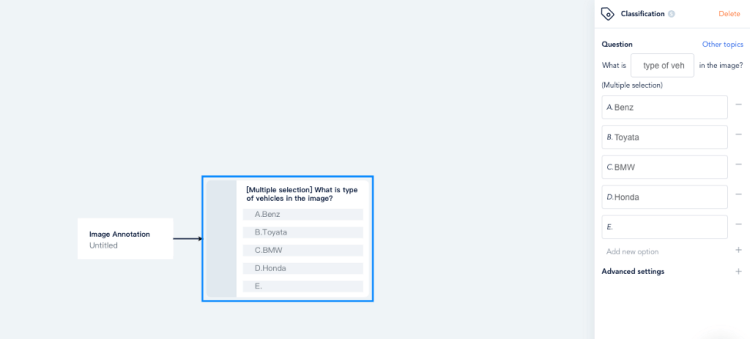
Visualization of Labeling Loop
Progress preview: clients can monitor the labeling progress in real-time on the dashboard
Result preview: clients can get the results in real-time on the dashboard

These labeling tools are available: Image Classification, 2D Boxing, Polygon, Cuboid.
Our expertise can create new recommendations based on the client’s use case. For further information, please visit our website site:ByteBridge.
Don’t forget to give us your ? !




Labeling Case Study — Agriculture— Pigs’ Productivity, Behavior, and Welfare Image Labeling was originally published in Becoming Human: Artificial Intelligence Magazine on Medium, where people are continuing the conversation by highlighting and responding to this story.
 365 Data Science