How to Become a Research Analyst?

If you imagine the research analyst as the quiet colleague sitting in solitude, spending endless hours analyzing research, you are, well… wrong. Despite being an entry-level position, the research analyst role is much more dynamic and important than meets the eye, as it involves day-to-day interactions with various teams and the opportunity to communicate with multiple stakeholders in the organization. Moreover, it can be the gateway to a rewarding career in analytics and data science.

So, in this article, we’ll shed light on what you need to become a research analyst.

You’ll learn who the research analyst is, what they do, how much they make, and what skills and degree you need to become one.

You can also check out our video on the topic below or scroll down if you prefer reading.

What Is a Research Analyst and How Do They Fit Inside a Company?

Research analysts work closely with the master data team to define what data will be necessary for particular research topics and to review data quality. They also collaborate with the project team to define research questions, organize the data collection process, and, finally, report findings to the project or team lead.

Research analyst job

A research analyst receives special requests and investigates certain topics ad-hoc to support the stakeholders’ decision-making process on a frequent basis. Moreover, they also serve as task lead for a wide range of research-related activities across departments within the company. That’s quite a lot of different responsibilities and certainly no time to get bored on the job.
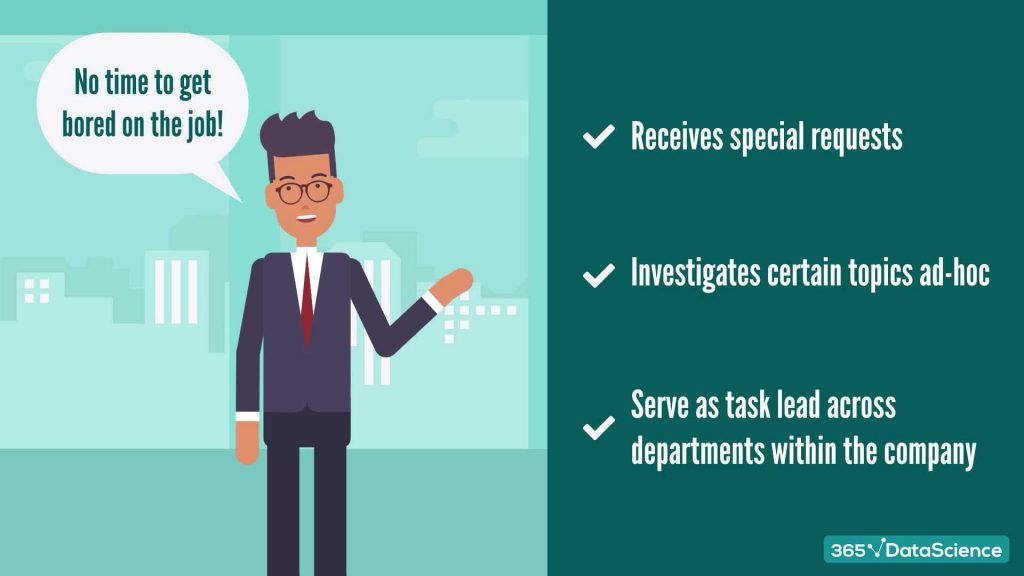
Research analyst profile

So, this is the brief profile of this interesting job role. But to get a better idea of what it’s like to be a research analyst, you need to get familiar with their typical duties in terms of activities.

What Does a Research Analyst Do?
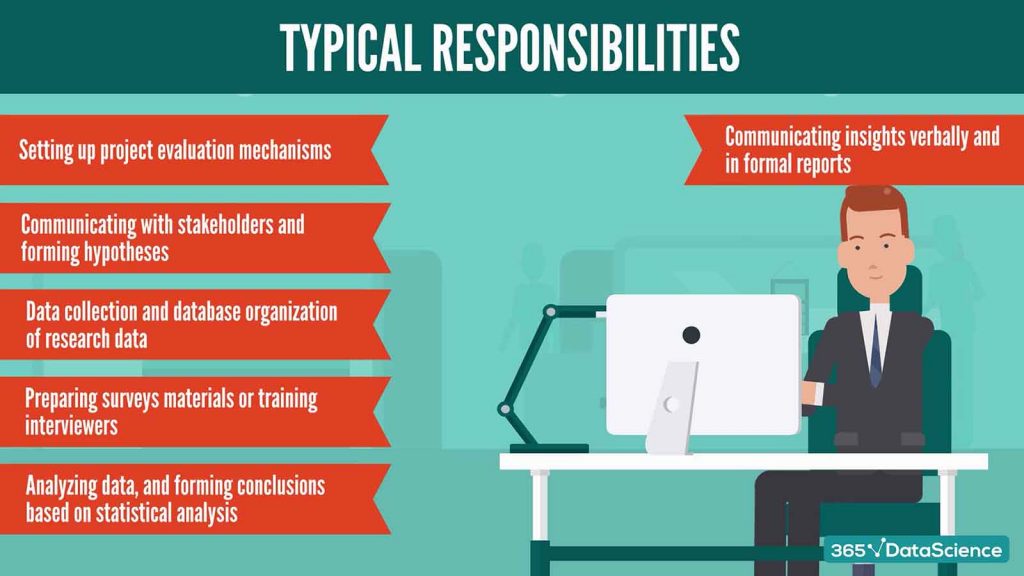
Typical responsibilities of a research analyst

As mentioned, research analysts are busy with numerous versatile tasks. Here’s a shortlist of their most typical responsibilities:

  • Working with project teams to set up project evaluation mechanisms;
  • Communicating with different stakeholders and forming hypotheses to be tested;
  • Data collection and database organization of research data;
  • Collaborating with marketing or other divisions to prepare survey materials or to train interviewers collecting qualitative data;
  • Analyzing data, and forming conclusions based on statistical analysis;
  • Communicating insights verbally and in formal reports.

So, if you can see yourself thriving in this job role, you’ll probably be curious to find out more about the financial aspect, as well.

What Is the Research Analyst Salary?

Research analyst salary

How much does a research analyst make? And what is the entry level research analyst salary? According to Glassdoor, a research analyst makes $56,893 on average. That said, if you’re an entry level research analyst, expect a median salary of $40k a year. Of course, once you become junior research analyst, your earnings are bound to increase. Not to mention that senior research analyst salaries can amount to $84k!

What Is the Research Analyst Career Path?
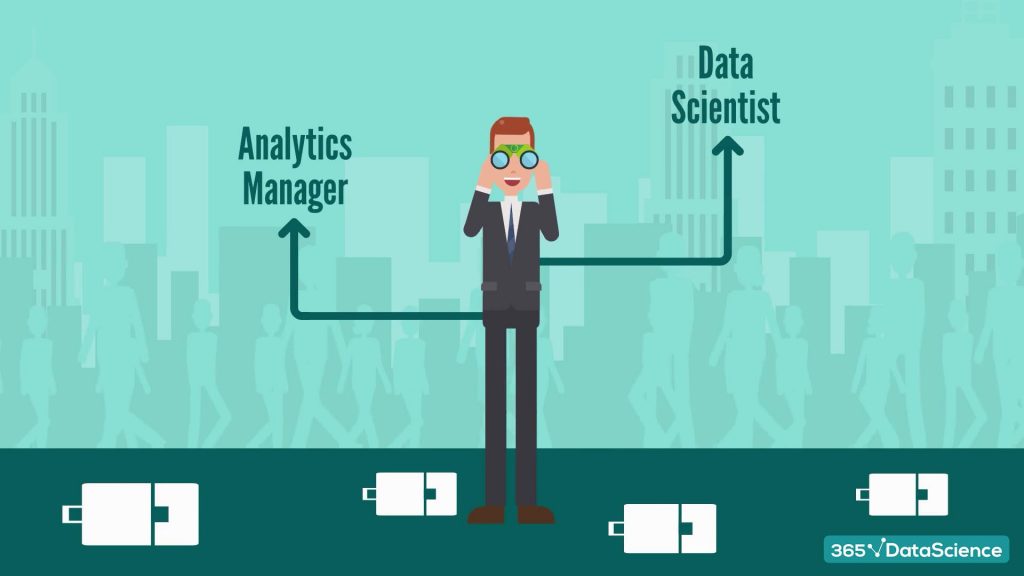
Research analyst career path

А research analyst job can pave the way for career success as a market research analyst, operations research analyst, senior research analyst, an analytics manager and why not even a data scientist further down the road?

In fact, when it comes to job outlook of research analyst careers, research analyst positions are typically high in-demand in large companies oriented towards analytical data-driven decision making. What’s more, research analysts are hired across a wide range of industries, including the Consumer, FMCG, and Pharmaceutical fields.

What Are the Key Skills You Need to Apply for Research Analyst Jobs?
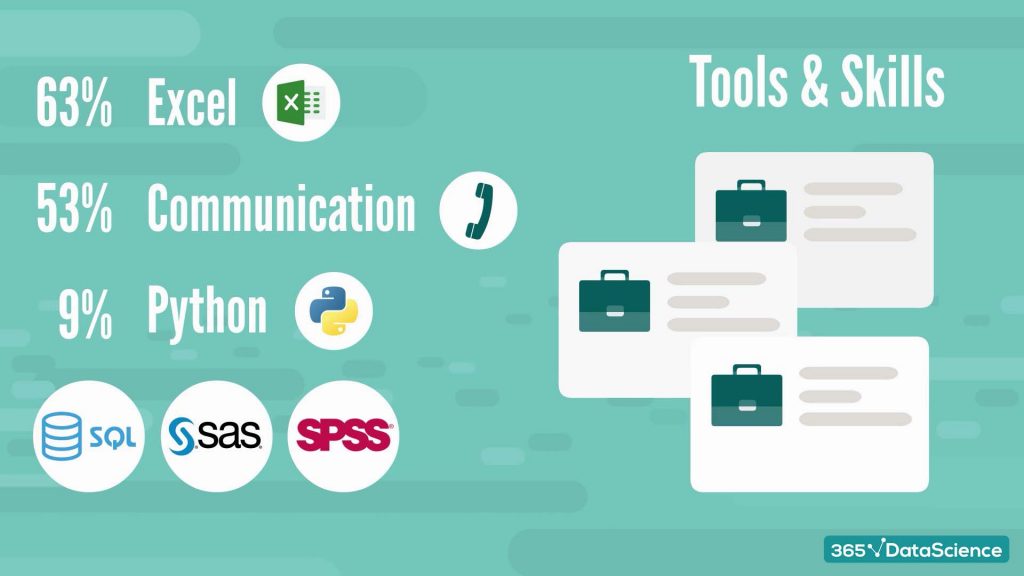
Research analyst skills and tools required for the job

To give the most accurate answer, we looked into currently active job postings to discover the in-demand tools and research analyst skills an eligible candidate must have… Just like a data research analyst would do!

Here’s what we discovered:

  • 63% of job postings emphasized Excel skills
  • 53% mentioned strong communication
  • And 9 % requested Python

Other notable research analyst qualifications include SQL, SAS, SPSS.

What Is the Required Research Analyst Education?

Required education and degree for a research analyst job

Unsurprisingly, 81% of job posts, that is, almost every research analyst job description, require a Bachelor’s degree, preferably with a concentration in IT, Economics. Statistics, Engineering, Mathematics, or Data Science.

What Is the Necessary Research Analyst Experience?

In terms of years on the job, the average expected experience is 3.37 years. That makes the research analyst job a low-hanging fruit compared to other roles in analytics and data science.

However, you shouldn’t jump to the conclusion that it’s easy to become one. You need to understand research methods, statistics and statistical modeling, and possess domain knowledge. Technical skills, database administration, and working with large quantities of data are a must, as well. Moreover, formulating hypotheses and A/B testing are also frequent prerequisites in job postings (even for entry-level research analyst jobs). So, you should definitely add these to your research analyst resume.
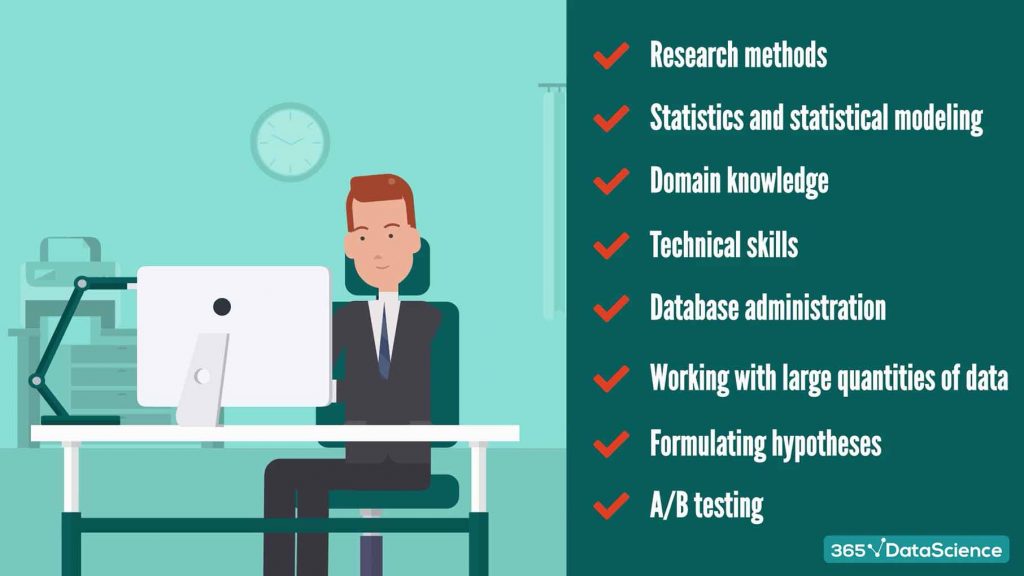
Research analyst competencies

Research Analyst Role: Overview

So, it turns out research analysts and data scientists have much more in common than you would think at first. Both professions need high statistics skills. At the same time, research analysts must be able to formulate a research question and determine how it can be answered numerically. And, although they have a limited arsenal in terms of programming abilities and don’t use advanced statistical tools such as neural networks, a good research analyst needs most of the other technical skills required for a data scientist.
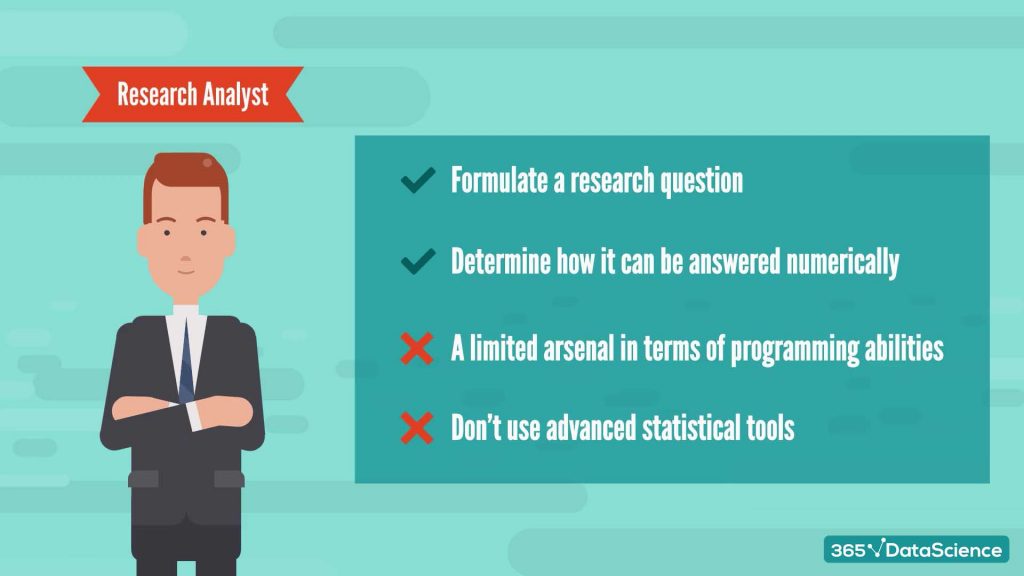
Research analyst and data scientist comparison

Now you’re aware of the most important aspects of the research analyst position, what to expect from the job, and what skills to focus on to become one.

Nevertheless, if you feel like you still need additional career advice and a more detailed analysis of the career opportunities in data science, check out our course Starting a Career in Data Science: Project Portfolio, Resume, and Interview Process.

The post How to Become a Research Analyst? appeared first on 365 Data Science.

from 365 Data Science https://ift.tt/3oFXJJY
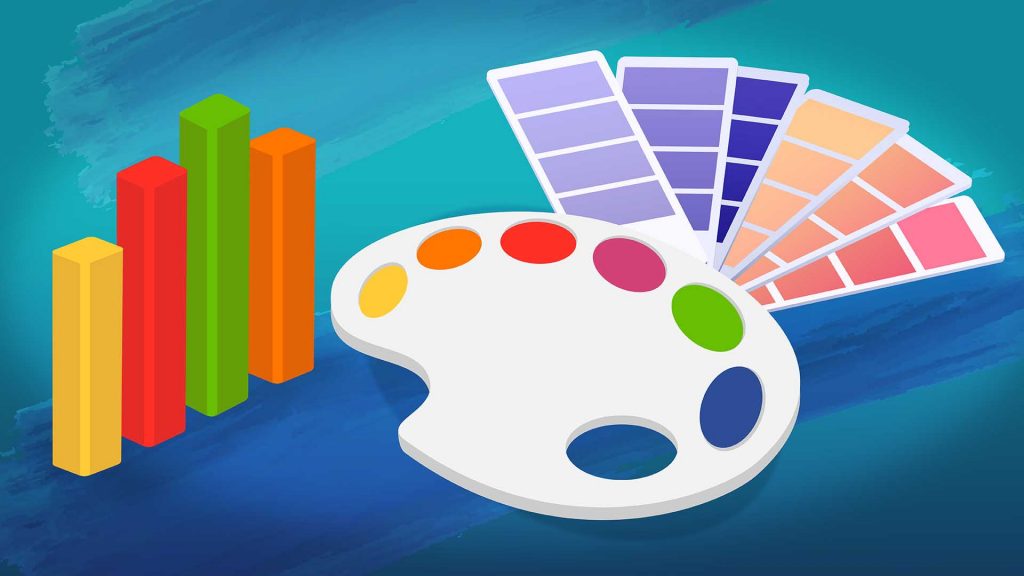
How to Pick the Right Color Palette for Your Data Visualizations?

Data visualization color palette

Whether you’re in business analytics, data science, or data analytics, at some point you’ll most likely be in charge of presenting findings based on the data in front of your colleagues, bosses, or a wider audience. And unless you’d like them to go through countless rows of raw data, you’ll probably use a form of summary statistic or a visual representation of the data. In the case of the latter, you’ll inevitably ask yourself: “What colors should I use for my chart?” Or rather more importantly:

How to Choose the Right Data Visualization Color Palette?

Understanding color, as well as the techniques involved in how to curate, combine, and even invent a color palette, requires an education of its own. Luckily, there is an easy way to choose your colors wisely if you’re in data visualization and this article will show you how.

Chances are you won’t have an eternity to spend on color alone, which is why in the next paragraphs, we’ll provide you with an overview of some of the best color palette generator websites you can rely on throughout your data viz work. We’ll also touch on the meaning of colors in the different industries, an important aspect to keep in mind when creating visualizations.

Let’s dive in straight to it.

Why Is It Important to Choose the Right Data Visualization Color Palette?

Anytime you’re visualizing data in some form or other choosing the right colors is a top priority. It’s the first thing your audience will notice straight away. And this is true for almost any form of visuals we encounter in our day-to-day life. Naturally, colors (especially bright colors) are what our eye is attracted to on a billboard or a bus stop ad. And this is precisely what we can use to our advantage when we’re creating our color palette: to draw the attention to the most important or key aspects of our graphic. But it isn’t as simple as picking a few dazzling colors and calling it a day. In fact, you need to consider the requirements for choosing the most appropriate data visualization colors.

What Are the Requirements for Choosing the Right Data Visualization Color Palette?

First and foremost, you’d like them to be outstanding. At the same time, they’ll need to comply with the data visualization rules, your company rules, and still make sense in terms of representing your findings. That’s a lot of constraints, just for a single step of the data viz building exercise.

So, how can you satisfy all the above requirements without spending a lifetime in choosing the same 2 or 3 colors over and over again?

Fortunately, there’s a simple solution. You can rely on an online color palette generator. To help you with that, we took up the time-consuming task of exploring numerous such platforms and picked the best and easiest to use. Here are our top 3 picks.

Top 3 Online Color Palette Generators for Data Visualization

1. Adobe Color Wheel

Adobe color wheel

First up is none other than the Adobe Color Wheel

The Adobe color palette generator allows you to create custom palettes with its neat color wheel function. In addition, you can specify the kind of palette you’d like to create. You can choose a monochromatic (based on a single color), triad (based on three colors, which are opposites on the wheel). Or why not create an entirely customized adobe color palette, for instance, if there are any rules or guidelines you need to follow when creating the chart.

2. Coolors

Hey, but if the adobe color wheel doesn’t spin you the right way, worry not! There is another great option to explore, which puts the cool in colors. It’s the coolors.co site:

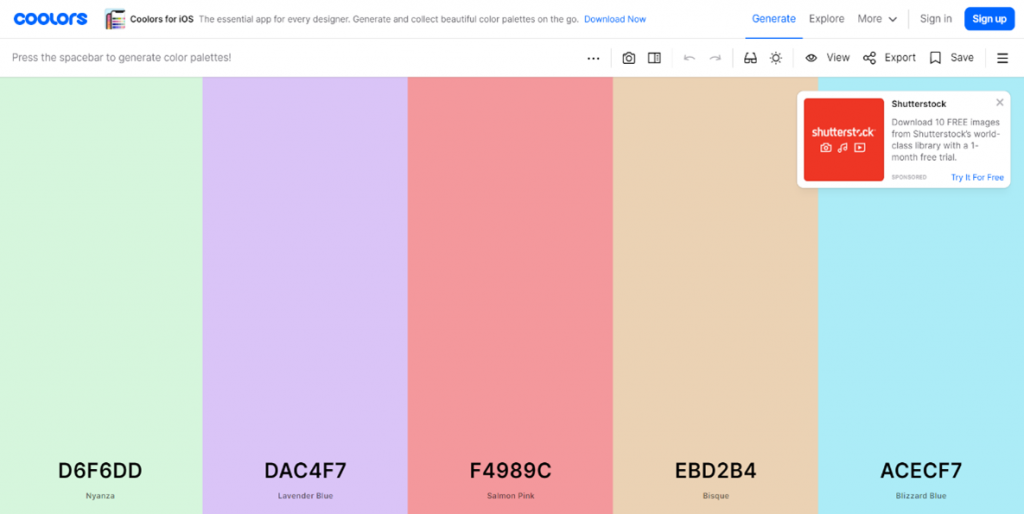
Coolors color palette generator

It’s another great option to create color palettes. With its random generator, there are numerous color palettes you could explore if you’re stuck for ideas.

One of the standout features is the color blindness filter you can add to any palette (look for the sunglasses on the top right-hand side). With it, you can adjust any palette to be colorblind-friendly.

Coolors color palette generator: blindness filter

Another cool option is to create a palette based on a picture. You can simply upload something you found on the web or from your personal collection and curate a palette based on the colors from your picture.

3. Pantone

The last site on our list, which we believe is worthy of your time, comes from Pantone:

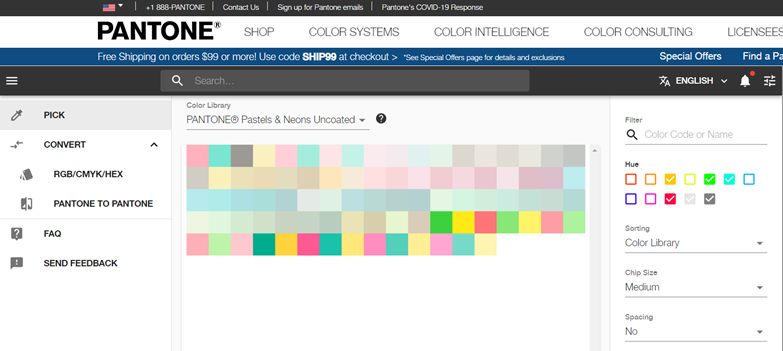
Pantone color finder

The Pantone company is known for proprietary color space, used in graphic design, fashion, printing, to name just a few. So, it’s a company that creates pretty colors both in digital, as well as physical formats. They are a great option if you’re looking for aesthetics, and if you’re designing say a logo or a graphic, which will be printed in some physical format. With the Pantone color finder, you can choose from a carefully curated list of colors, as well as choose an emerging trendy palette, inspired by the fashion world.

Now, that you have the necessary tools to pick the colors for your chart (and not waste too much time in due process), let’s discuss another crucial aspect when it comes to color: its meaning.

What Is the Meaning of Colors in Our Lives?

Yes, many colors are associated with a specific meaning. We see colors in virtually every aspect of our lives. So, naturally, through the years, they’ve developed a meaning beyond the colors themselves.

Not only that but color meanings can differ depending on the field or specific industry where they’re used. To illustrate let’s consider a very well-known example: the traffic lights, with their three colors:

Red, yellow, and green color meanings: traffic lights

Red, Yellow, and Green.

Typically, red means stop, yellow says to proceed with caution, while green signals go. That’s one meaning associated with these three colors and possibly the most widespread. But it’s not the only one.

What Is the Meaning of Colors in Psychology?

In psychology, for instance, colors are associated with a specific emotion. Red means power and emotion, yellow can stand for optimism or cheer, while green can be associated with balance and healing. Alright, to be fair knowledge from colors in psychology might not be considered strictly necessary in data viz terms. Nonetheless, understanding the meaning or impact the colors on your chart can have on your audience can certainly be of help when you’re creating visualizations. You can further explore the topic in this article on colors and their meaning in psychology.

What Is the Meaning of Colors in Business?

What’s important to note is that a data color has different meanings depending on the industry where you work. Let’s come back to our street light example. Only this time we’ll discuss what red, yellow, and green mean in the business world.

Red usually means you’re generating losses, or there is a problem area.

Yellow means you’re leveled, you’re not losing, but you’re not improving your performance either.

Green means you’re making a profit, your company is growing, and things are swell.

Of course, it all depends on the context. For instance, during a recession, staying in the yellow zone would be a much-desired result.

How to Avoid Misleading Data Visualization in Different Industries?

When it comes to storytelling with data, the important part to keep in mind is that each industry interprets colors somewhat differently. Not only that, but different industries tend to use a specific subset of colors and data visualization color schemes more often.  For instance, these could belong to a cold color palette or a dark palette. So, no matter what your data visualization inspiration is, it’s not about choosing the most beautiful color or going for more colors than necessary. And this certainly makes sense. As we’ve said, an aesthetic color palette of 2 or 3 colors works best. So, instead of including too many colors, choose a subset of colors that everyone in your field is familiar with.

And then, once the industry has settled on its preferred colors of use, it can even assign meaning to the colors (or borrow it from a differing field). You can check out this Color Meaning and Psychology poster to find out more about the meaning of colors and which color is preferred by what industry.

How to Create Great Data Visualizations: Next Steps

As you’ve probably surmised by now, color theory is a complex topic. And, very often, using lots of colors gets in the way of effective data visualization. We did our best to provide you with a user-friendly way of choosing nice colors and designing your own data visualization color palette. We also touched on what’s important to take into account when picking the colors for different industries and the varying meanings a color can hold, depending on the said industry.

Now it’s up to you to put that know-how to the test and start creating your own outstanding graphs and interactive data visualization projects. And if you’re looking to learn the most in-demand data visualization techniques, try our super comprehensive Data Visualization with Python, R, Tableau, and Excel course for free.

The post How to Pick the Right Color Palette for Your Data Visualizations? appeared first on 365 Data Science.

from 365 Data Science https://ift.tt/340eAj4

A Journey from Software to Machine Learning Engineer

In this blog post, the author explains his journey from Software Engineer to Machine Learning Engineer. The focus of the blog post is on the areas that the author wished he’d have focused on during his learning journey, and what should you look for outside of books and courses when pursuing your Machine Learning career.

Originally from KDnuggets https://ift.tt/2IEcYE6

source https://365datascience.weebly.com/the-best-data-science-blog-2020/a-journey-from-software-to-machine-learning-engineer

Top KDnuggets tweets Dec 2-8: How to do visualization using #Python from scratch

K-Means 8x faster, 27x lower error than Scikit-learn’s in 25 lines; How to do visualization using #Python from scratch; Why the Future of ETL Is Not ELT, But EL(T); NoSQL for Beginners

Originally from KDnuggets https://ift.tt/2W1dBut

source https://365datascience.weebly.com/the-best-data-science-blog-2020/top-kdnuggets-tweets-dec-2-8-how-to-do-visualization-using-python-from-scratch

Artificial Intelligence in Modern Learning System : E-Learning

There has been a considerable shortage in the supply and demand of AI professionals. If you are looking to learn AI or learn machine learning, you can opt for free online courses offered by Great Learning.

Originally from KDnuggets https://ift.tt/2K8Uig8

source https://365datascience.weebly.com/the-best-data-science-blog-2020/artificial-intelligence-in-modern-learning-system-e-learning

Main 2020 Developments and Key 2021 Trends in AI Data Science Machine Learning Technology

Our panel of leading experts reviews 2020 main developments and examines the key trends in AI, Data Science, Machine Learning, and Deep Learning Technology.

Originally from KDnuggets https://ift.tt/3n15N7X

source https://365datascience.weebly.com/the-best-data-science-blog-2020/main-2020-developments-and-key-2021-trends-in-ai-data-science-machine-learning-technology

ML03: PyTorch vs. Tensorflow

PyTroch—a promising framework for DL

Read time: 3 min
This is a part my mid-term report of the course PyTorch and Machine Learning in NCCU. The original report:
https://drive.google.com/drive/u/2/folders/1Haknut4yGujlWP-QKpJnFWwRJE1xtf9Y

Outline
(1) Architecture of PyTorch & Tensorflow
(2) Performance of PyTorch & Tensorflow
(3) Popularity of PyTorch & Tensorflow
(4) Conclusion
(5) Reference

Artificial Intelligence Jobs

(1) Architecture of PyTorch & Tensorflow

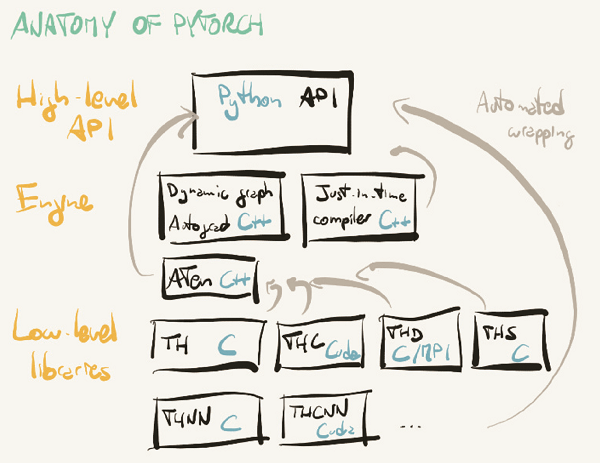
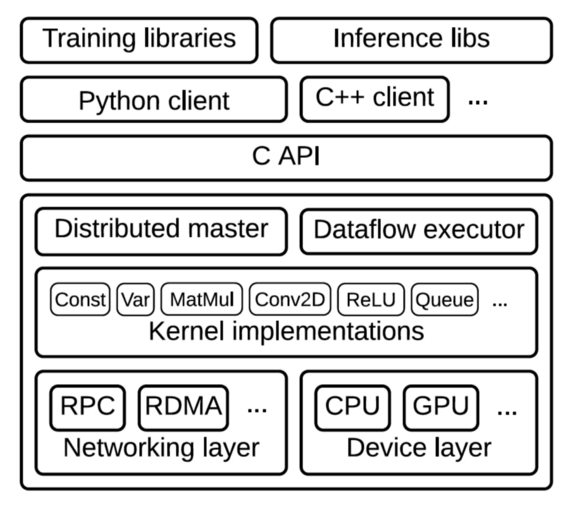
Let’s check the architecture (or so-called anatomy) of PyTorch & Tensorflow.

Figure 1: Anatomy of PyTorch [1]
Figure 2: The layered TensorFlow architecture [2]

Figure 2: The layered TensorFlow architecture

The engine and low-level library of PyTorch and Tensorflow are pretty similar and they are basically built by C & C++, so theoretically they shall have similar speed. Then, Let’s shift our attention to the comparisons of PyTorch and Tensorflow in all dimensions.

Trending AI Articles:

1. 130 Machine Learning Projects Solved and Explained

2. The New Intelligent Sales Stack

3. Time Series and How to Detect Anomalies in Them — Part I

4. Beginners Guide -CNN Image Classifier | Part 1

(2) Performance of PyTorch & Tensorflow

Table 1: Comparisons of Keras, Tensorflow & PyTorch [3]

The green cells in table 1 represent the apparent superiority. Furthermore, since we know the dynamic computation graph of PyTorch would make it more flexible and easier to debug compared to Tensorflow, some of the facts in the figure are quite easy to guess.

However, just like Python have more flexibility and debugging capabilities than C/C++, but Python loses in speed. Would PyTorch have slower speed ? Surprisingly, PyTorch’s performances equal to Tensorflow in dimensions like speed and dataset compatibility !

(3) Popularity of PyTorch & Tensorflow

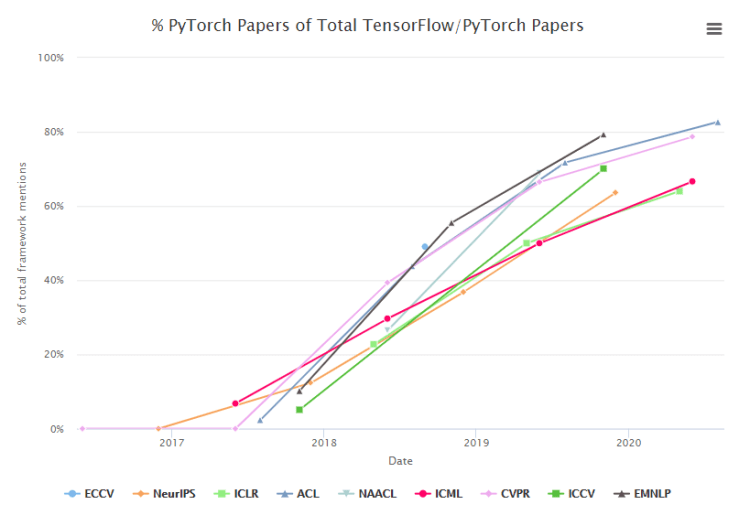
Figure 3: Percent of PyTorch papers of total Tensorflow / PyTorch papers [4]
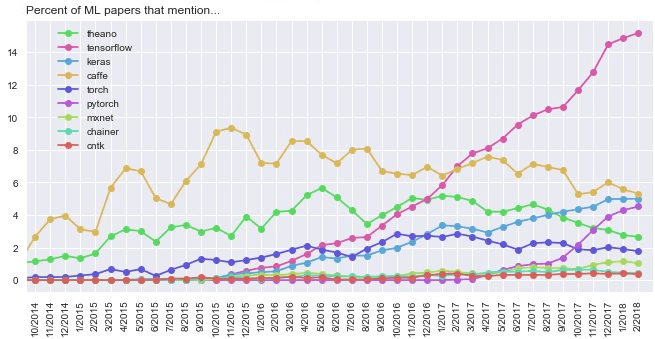
Figure 4: Percent of framework mentioned by ML papers [5]
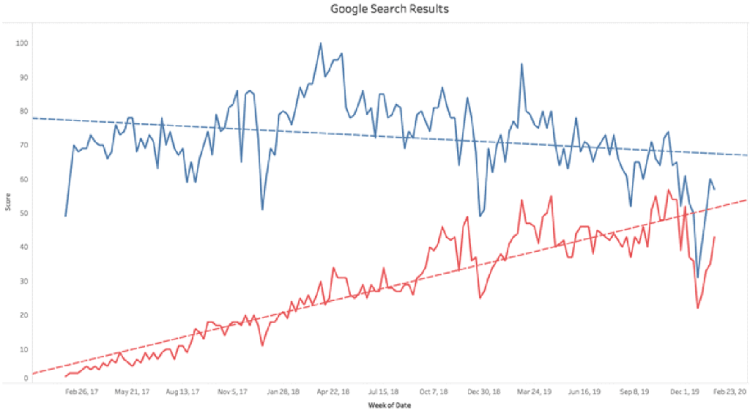
Figure 5: Google search results of Tensorflow & PyTorch [6]

Additionally, these 3 figures above show how popular PyTorch was lately, and the growing numbers of adopting PyTroch indicating the promising future of PyTroch.

(4) Conclusion

Whether evaluating PyTorch in architecture or performance, it’s at least equal to Tensorflow. Then, from popularity we found the skyrocketing growing number of PyTorch usage. Nevertheless, the history of PyTorch is too short so there’re few resources including books, codes, and discussions about PyTorch compared to those about Tensorflow.

(5) Reference

[1] Stevens, E., Antiga, L. & Thomas, V. (2020). Deep Learning with PyTorch. New York, NY: Manning.

[2] Abadi, M. et al. (2016, November). TensorFlow: A System for Large-Scale Machine Learning. Paper presented at the 12th USENIX Symposium on Operating Systems Design and Implementation (OSDI ’16), Savannah, GA. Abstract retrieved from https://www.usenix.org/system/files/conference/osdi16/osdi16-abadi.pdf

[3] Rao, C.S.J.(2020). Your First steps in Computer Vision: Using PyTorch with an example. Retrieved from

Using Pytorch with Examples in Computer Vision

[4] He, H.(2020). PyTorch vs TensorFlow. Retrieved from https://chillee.github.io/pytorch-vs-tensorflow/

[5] Migdal, P., & Jakubanis, R. (2018). Keras or PyTorch as your first deep learning framework. Retrieved from

Keras or PyTorch as your first deep learning framework – deepsense.ai

[6] Great Learning Team (2020). PyTorch vs TensorFlow — Explained | What is the difference between PyTorch and TensorFlow?. Retrieved from

Difference between PyTorch and TensorFlow | TensorFlow vs. PyTorch

Don’t forget to give us your ? !


ML03: PyTorch vs. Tensorflow was originally published in Becoming Human: Artificial Intelligence Magazine on Medium, where people are continuing the conversation by highlighting and responding to this story.

Via https://becominghuman.ai/ml03-9de2f0dbd62d?source=rss—-5e5bef33608a—4

source https://365datascience.weebly.com/the-best-data-science-blog-2020/ml03-pytorch-vs-tensorflow

How Will AI in Health Care Advance to Evolve?

We live in an ever-changing world. Several technological advancements that are conventional in today’s world were at one point surveyed as science fantasy. Artificial intelligence, or AI, is one such standard. With its meaning applied to various purposes, AI has single-handedly changed many different businesses. In this article, we will take a more familiar appearance at how AI has positively changed the healthcare industry.

Artificial intelligence (AI) has reshaped various renewed manufacturers, and the well-off integration of AI in health care could keep an endless number of lives. According to Benhamou Global Ventures, the whole public and private area investment in AI in health care are on the path to reach $6.6 billion by 2021. Investigate the various forms AI could change health care and how you can get involved.

Artificial Intelligence Jobs

Using AI to diagnose and lessen mistake efficiently

In 2015, we misdiagnosed disease and a medical failure considered for 10% of all US deaths. On the day of that, the outlook of improving the diagnostic manner is one of AI’s most interesting healthcare utilization.

Deficient medical records and large caseloads can drive to deadly human mistakes. Immune to these variables, AI can divine and diagnose the disease quicker than most medical specialists. For example, in one research, an AI model applying algorithms and deep learning diagnosed with breast cancer at a greater rate than 11 pathologists.

How AI has changed the healthcare sector?

Technical improvements that have started the healthcare industry have finally changed how physicians treat inmates. In addition to advancements in patient care, AI has performed an important role in how doctors and other medical professionals do their jobs. From patient examination to treatment plans, pill discovery, information giving, and operational developments, AI has helped the healthcare enterprise. It has in the other areas that rely on it for efficiency and working in unfavorable conditions.

Trending AI Articles:

1. 130 Machine Learning Projects Solved and Explained

2. The New Intelligent Sales Stack

3. Time Series and How to Detect Anomalies in Them — Part I

4. Beginners Guide -CNN Image Classifier | Part 1

According to this report, Healthcare Weekly, here are some trends you should pay consideration to.

1. Digital Consultation

Although the idea of digital discussion is not new, the “old way” of doing it had harsh limitations that were immediately related to the day’s available technology. Modern and advanced improvements in artificial intelligence have fixed these problems. Now sufferers can consult with doctors seamlessly.

The advancements involve two main elements:

1. Deep Learning

This has allowed users to express better-informed choices rather than carelessly quizzing or assisting the doctor. Systems that are AI-driven have increased their knowledge from real cases and can report information related to the patient’s health reports and medical files.

2. Natural Learning

AI’s excellent natural learning process makes it more comfortable to respond accurately to problems from a patient. Fildena or Cenforce 100 can treat your ED problem. AI can efficiently learn and learn the complexities of normal conversation and pull out the information needed. As an outcome, it has changed the way machines solve those questions. With this information, AI begins to learn more about the conditions that cause or change some ailments.

2. Drug innovation

AI systems have become important partners in medicine development. As they can leverage large databases, including critical information, they can identify possible new and innovative treatments. The value in this medical progress means that severe disease treatment is now possible.

There is also the probability that AI can discover new medicines that could be used to cure deadly conditions more efficiently. AI can help scientists and researchers by tracking drug development and examining subtle trends of medicine. All of this can be achieved in a fraction of the time worked with conventional methods.

3. Robotic Assistance

There will be no robotic takeover of human experts any time quickly. However, when you join robots’ robustness with doctors’ skills, you build a great healthcare provider union. The precision of AI-driven robots has been authorized to assist in operating rooms for years with less mistakes.

Robotics in healthcare performs sense on several levels. It can improve patient care performance, provide necessary details on patients’ health, and even give diagnosis approaches. It can also offer an extra hand to a surgeon within microsurgery, providing better patient outcomes with quicker recovery times.

4. Virtual Follow-Up

Doctors typically work round the clock, but for patients needing regular care and checkups, this can be problematic. AI systems can help busy doctors, in this case, with AI-driven chatbots. A chatbot can give ongoing patient care and contribute steady attention to some patients as a role of their treatment program.

AI in Health Care

The three sections of AI seeing the largest expenditures in the health care industry are robot-assisted operation, practical nursing assistants, and managing workflow assistance. As such, AI will help doctors, patients, and hospital administrators alike.

Robots’ operation is already a reality, and it could greatly reduce the chance of human error, which could decrease difficulties and improve patient results. You can also try vidalista 60 or tadalista to get rid of impotence. Like automated pill distributors, virtual nursing associates could improve patients’ access to necessary medical care without raising clinical intervention. Some patient profits of AI in health care will be implied because AI systems can optimize a digital workflow to decrease the administrative load.

Even though AI may restore many jobs that doctors and nurses currently operate, the health care enterprise will need skilled medical and technical professionals. Suppose you need to be at the forefront of these improvements. In that case, a Master of Science in Health Informatics with a concentration in Health Data Science (MSDS) degree could be the gateway you require to enter to get connected.

Don’t forget to give us your ? !


How Will AI in Health Care Advance to Evolve? was originally published in Becoming Human: Artificial Intelligence Magazine on Medium, where people are continuing the conversation by highlighting and responding to this story.

Via https://becominghuman.ai/how-will-ai-in-health-care-advance-to-evolve-cf8ef9ab3211?source=rss—-5e5bef33608a—4

source https://365datascience.weebly.com/the-best-data-science-blog-2020/how-will-ai-in-health-care-advance-to-evolve

5 Ways AI Affects Our Daily Lives

In the last few years, tremendous progress has been made in the development of Artificial Intelligence.

Hearing about artificial intelligence, many people think of doomsday scenarios, dystopia, or the opinion of those scientists who have become part of pop culture.

In contrast, artificial intelligence is actually already living with us and affecting our lives, making it easier. The AI ​​industry is developing at a rapid pace year by year and surely its potential cannot be underestimated.

Here are 5 ways this new, exciting technology affects our lives.

Artificial Intelligence Jobs

Music and Video Recommendations

Video-sharing platforms like YouTube could not exist without AI. Well, they would exist, but someone else would dominate the market. Someone who takes advantage of the pattern recognition ability of artificial intelligence.

You must have noticed that if you listen to a certain style of music or watch videos on a certain topic on YouTube, similar content recommended by YT will appear on the page.

What happens then is that based on your past behavior, artificial intelligence has created a profile of you based on which the AI sees a picture of your interest. And based on your interest, it offers content that is suitable for your further entertainment or learning.

Moreover, the content on these platforms might already encounter AI before. If you would like to record a video of your favourite artist’s concert, the camera app was likely trying to help you optimize the lights with the help of AI.

Trending AI Articles:

1. 130 Machine Learning Projects Solved and Explained

2. The New Intelligent Sales Stack

3. Time Series and How to Detect Anomalies in Them — Part I

4. Beginners Guide -CNN Image Classifier | Part 1

Social Media

Social media is a defining part of our lives in the 21st Century. People’s attention is focused on these networks. And where there is attention, it is a very good marketing opportunity.

Social media uses artificial intelligence to make ads more effective. Marketing professionals run campaigns to reach a massive number of users. Social media ads then generate conversions and sales for the sponsoring company. Campaign optimization and targeting are facilitated by artificial intelligence and work to make the ad as visible as possible to those who really need the product.

Without AI, online advertising would be a mess where no one can find a product they really need.

Web Search

Search engines like Google have been here for years since the internet became popular. But that doesn’t mean they have nothing to do with AI.

When we want to solve a problem, it seems natural to google it first. What we see first is the backbone of the search engine. If the content doesn’t solve our problem, people would stop using the engine.

Therefore, AI helps make the search results the most relevant to us. As AI is constantly evolving, so are search engine suggestions.

Also, AI helps filter out bad faith content. It would be extremely bad for content found on the web to harm us. This would again undermine the authority of the search engine.

Online shopping

Today, we don’t necessarily have to visit the seller’s headquarters if we want to buy something. We simply place an order online and have it delivered to our house.

When searching for products, AI collects data about our shopping habits and preferences. Even what we like. If we used to look at a product in an online store and then see the same product or a similar product on Facebook later, it’s likely that an AI algorithm is trying to help us make a purchase decision.

For some people, this might be frustrating or annoying. But to those who are really in a need of a specific product, this is a savior. In the end, the decision is always made by the customer.

Online Trading

Online trading and finance were among the first areas where AI was introduced. Exchange charts emerge with repetitive patterns, the correct recognition of which can predict market movements.

Of course, this is not always accurate, but investors expect the holy grail to not exist.

For example, the French fintech startup B-cube.ai uses Artificial Intelligence to correctly anticipate cryptocurrency movements. Data from market participants’ sentiment and historic price movements are fed into an AI engine that generates signals with the goal of making a profit for the customer. These signals are then automatically executed by a trading bot on the clients’ own account.

Machine learning does not have to be applied exactly as it does in music recognition. There is simply too much noise in the financial data, which makes things harder.

Conclusion

The AI ​​is already present every day of our lives, from looking at our emails in the morning to choosing what movie to watch before bed.

It is evolving day by day and working to bring humanity’s goals within reach.

If you get a musical recommendation, a new shoe, a profitable Bitcoin trade, or the news of your best friend’s promotion on Facebook, artificial intelligence was all present.

Don’t forget to give us your ? !


5 Ways AI Affects Our Daily Lives was originally published in Becoming Human: Artificial Intelligence Magazine on Medium, where people are continuing the conversation by highlighting and responding to this story.

Via https://becominghuman.ai/5-ways-ai-affects-our-daily-lives-35630833e390?source=rss—-5e5bef33608a—4

source https://365datascience.weebly.com/the-best-data-science-blog-2020/5-ways-ai-affects-our-daily-lives

AI registers: finally a tool to increase transparency in AI/ML

Transparency, explainability, and trust are pressing topics in AI/ML today. While much has been written about why they are important and what you need to do, no tools have existed until now.

Originally from KDnuggets https://ift.tt/2VWDGuD

source https://365datascience.weebly.com/the-best-data-science-blog-2020/ai-registers-finally-a-tool-to-increase-transparency-in-aiml

Design a site like this with WordPress.com
Get started